The science of forests, built for business.
Nature holds the answer to the climate crisis.
Measuring it precisely is how we unlock it.

Forests remove 8 billion tonnes of CO2 every year. Protecting and restoring them could deliver 30% of the climate solution needed to stay within Paris targets. The potential of nature as a climate solution is vast. But you cannot manage what you cannot measure.
In 2021, four scientists and sustainability leaders founded Chloris to close that gap, bringing the most precise forest carbon data in the world to the markets and businesses that need it most.
The science existed to measure forest carbon accurately, at scale. What was missing was the infrastructure to make it useful to the people who needed it most. That is what we set out to build.
Dr. Alessandro Baccini
Co-Founder, Co-CEO & Chief Science Officer

 0 billion
tonnes of aboveground biomass quantified
 0
0countries with pre-processed data coverage
 0.00 billion
hectares monitored
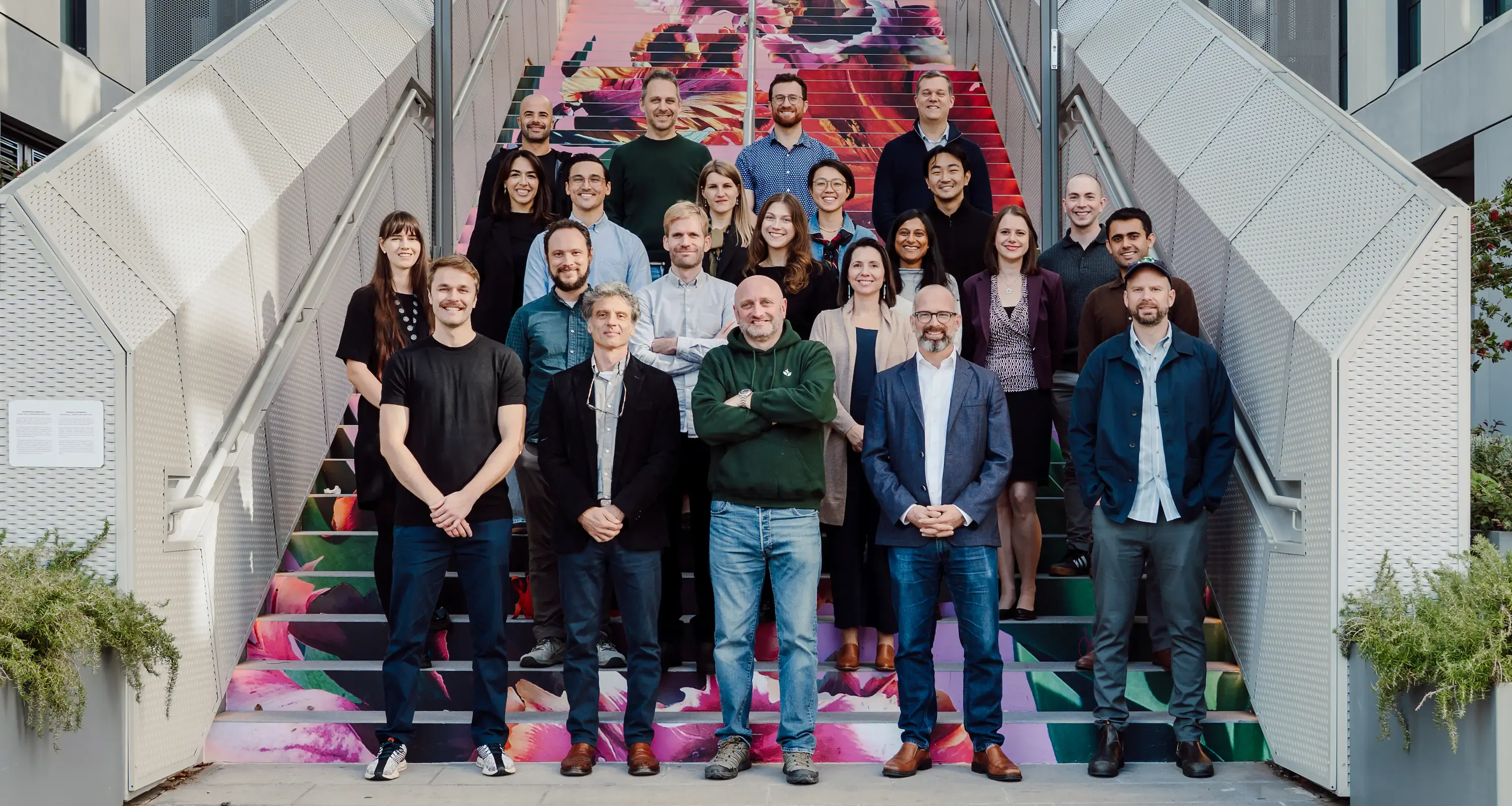
Two decades of peer-reviewed forest carbon science, an ecosystem scientist turned sustainability strategist, a NASA science team veteran, and a Princeton climate scientist.
Four founders who spent careers generating the insights the market needed, then built the company to deliver them.
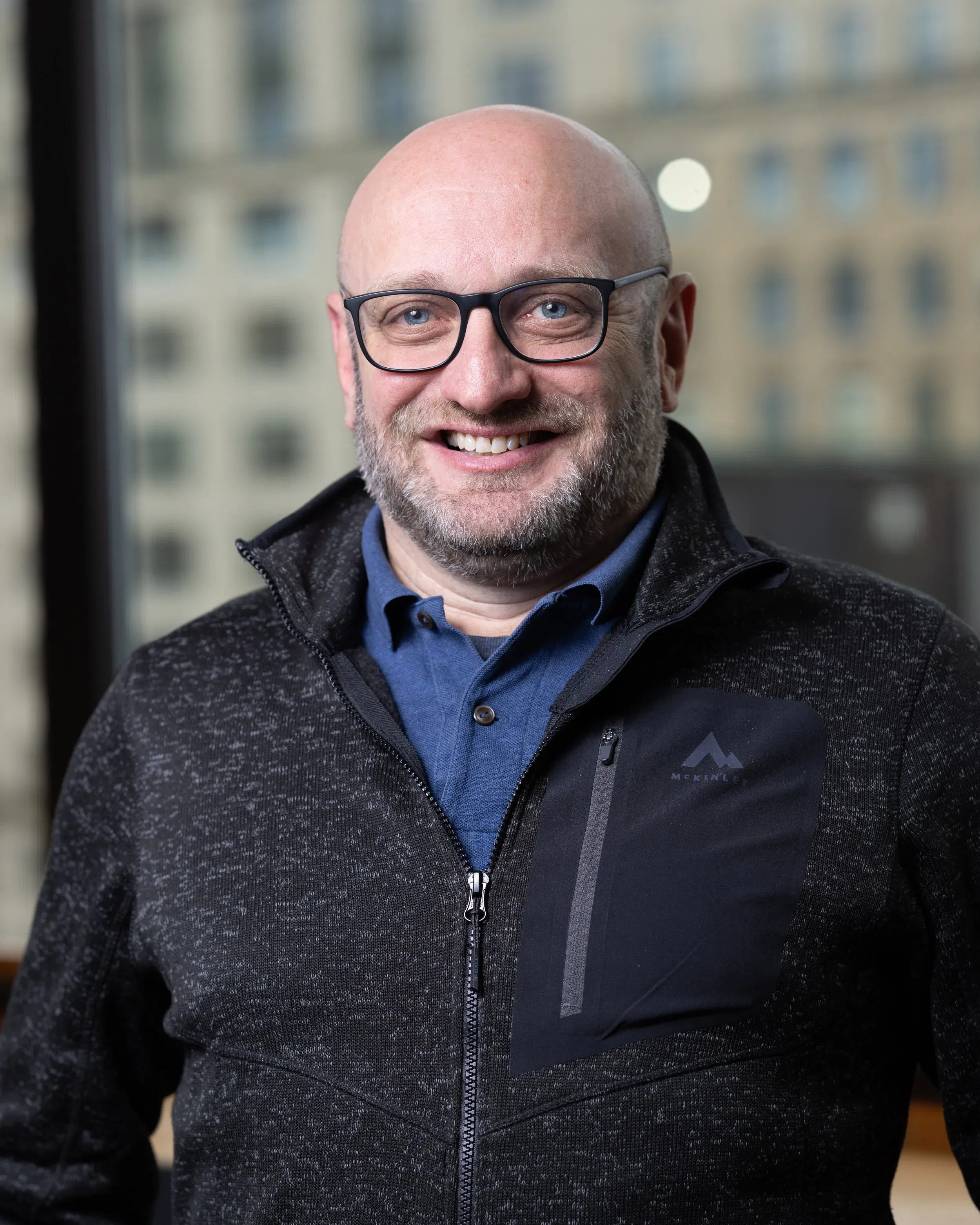
Marco Albani
Co-Founder, Co-CEO, CRO

Alessandro Baccini
Co-Founder, Co-CEO, Chief Science Officer

Mark Friedl
Co-Founder, Senior Advisor

Giulio Boccaletti
Co-Founder, Senior Advisor
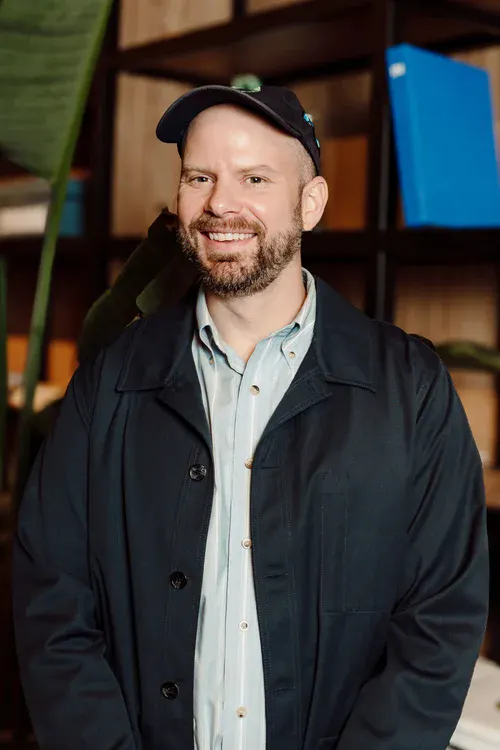
Forest ecologists, remote sensing scientists, machine learning engineers, and sustainability specialists united by a single mission.
Adam Sibley
Senior Remote Sensing Scientist

Alicja Kotarba
Senior GIS Analyst

Arianna Bunello
Solutions Manager

Caitlin Inglehart
Head of Marketing

Catherine Charnov
Senior Business Development Lead

Claudio Ausili
Senior Geospatial Analyst

Dan Sussman
Principal Machine Learning Scientist

Daniel Avrella
Senior Product Manager

Elisa Casavecchia
Marketing & Communications Manager
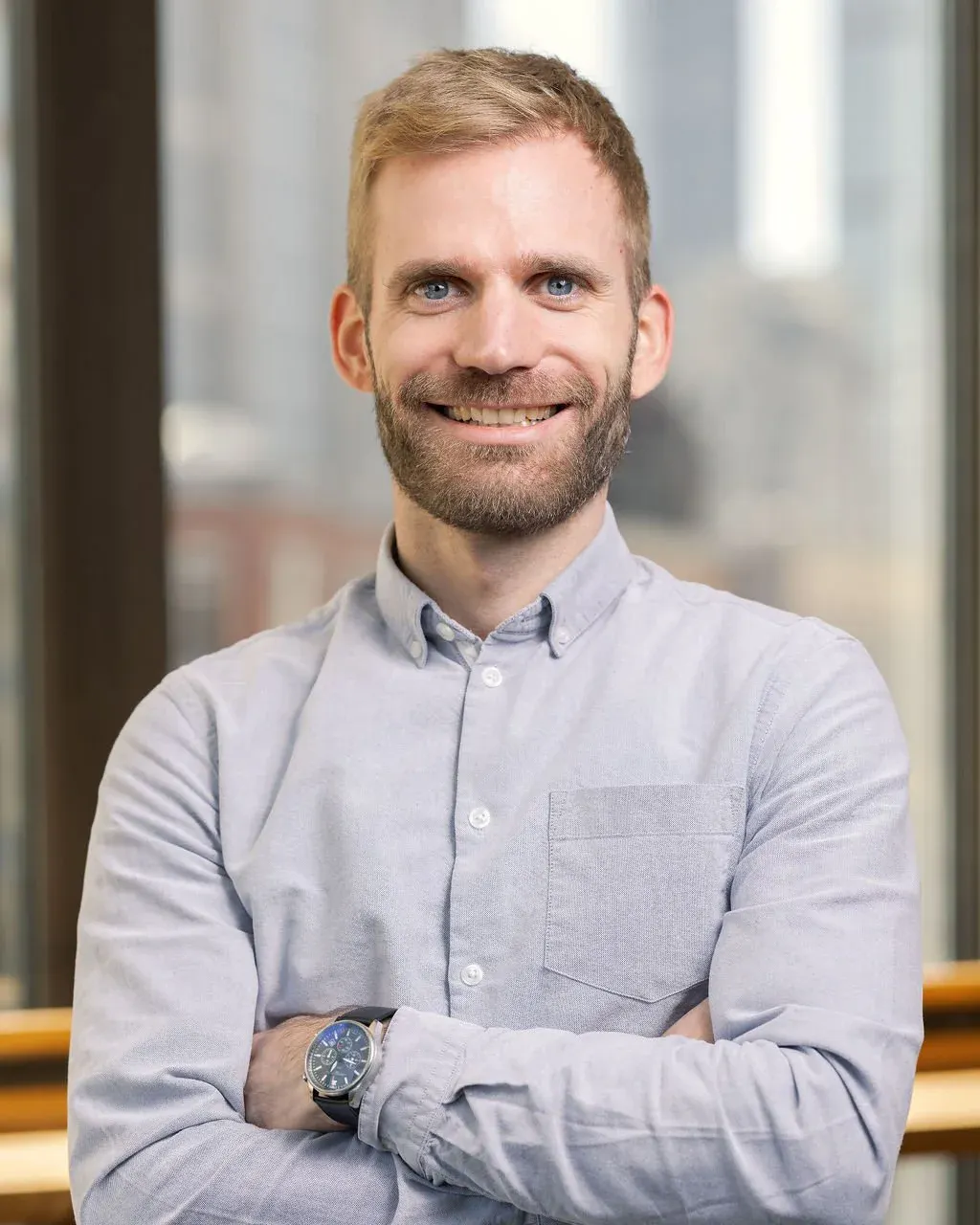
Felix Greifeneder
Lead Remote Sensing Scientist
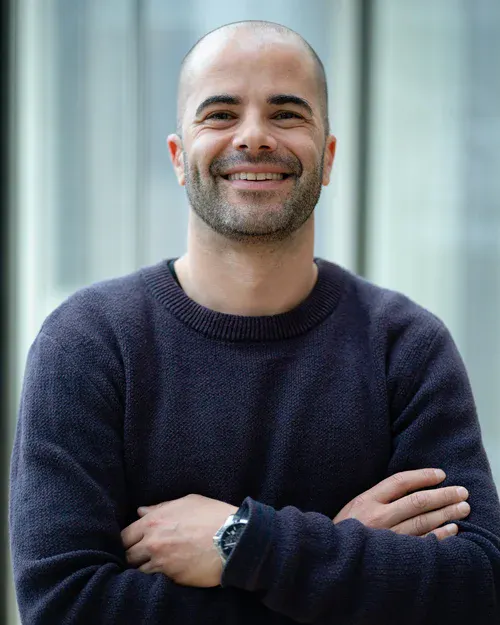
Florian Reber
Senior Vice President of Business Development and Partnerships

Julia Hurley
Operations Manager

Kevin Xu
Junior Software Engineer
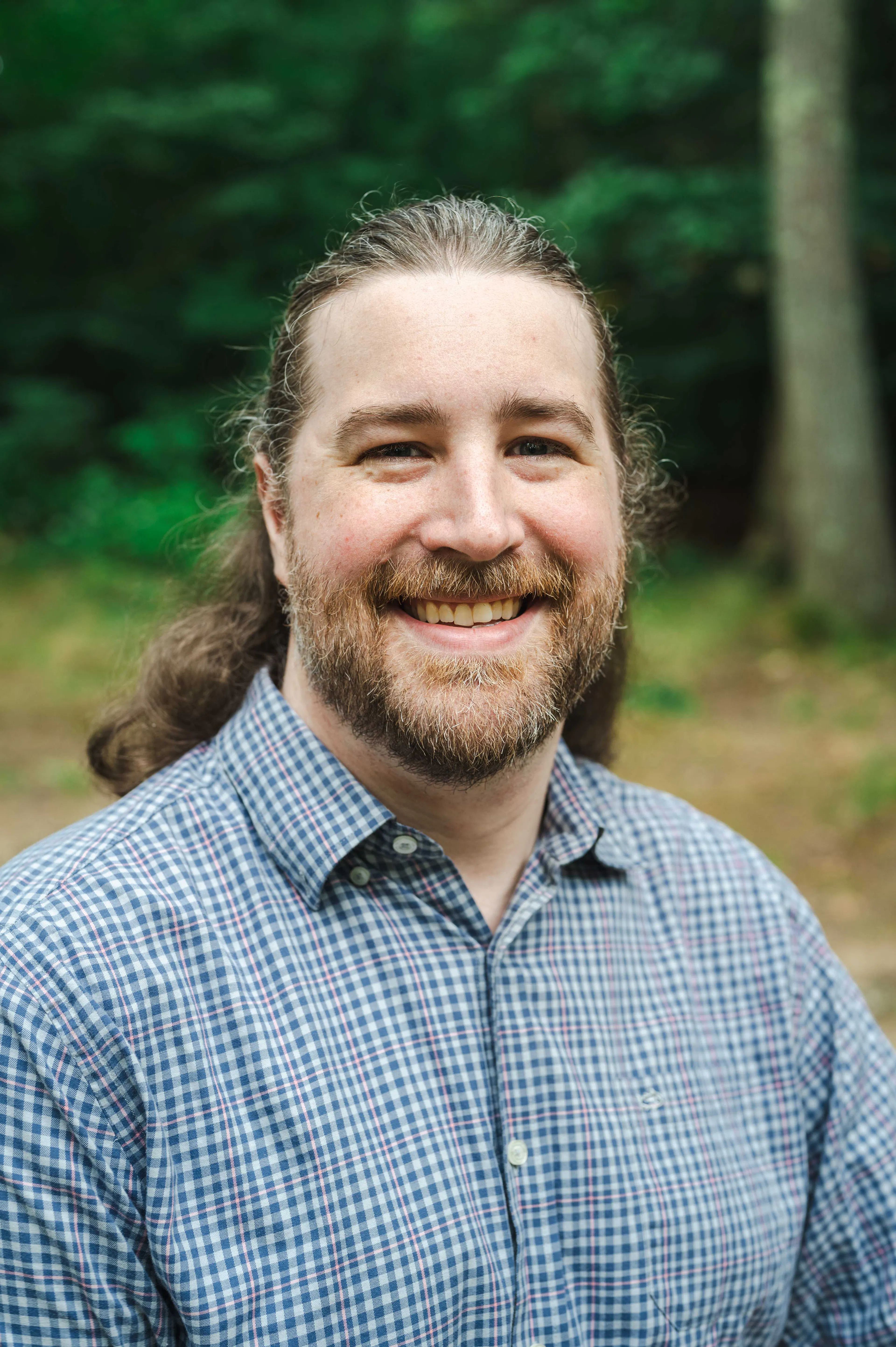
Rich Van Buren
DevOps Engineer

Taku Yamamoto
Full Stack Software Engineer

Tom Badenhorst
Account Executive
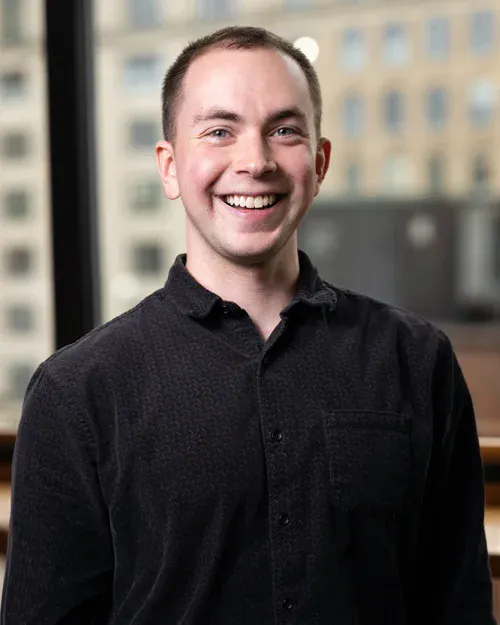
Will Nash
Head of Engineering

Forest carbon projects are built on a promise of permanence. But the threats to permanence can materialize in days, and the tools most project teams rely on to detect them were never designed to answer the question that matters most: how much carbon is actually at risk?

Many financial institutions need to update how they assess their exposure to deforestation and land-use change emissions, and the update points in one direction: a geospatial lens on what is actually happening across the land their portfolios finance, as new net-zero standards are about to require banks and asset managers to measure and disclose the emissions embedded in their portfolios, including those tied to forests, land, and agriculture.

The Science Based Targets initiative published Version 2.0 of its Corporate Net-Zero Standard on 11 June 2026. The shift is from ambition to implementation. For most sectors that means greater flexibility in how targets are set and met. For companies sourcing forest and agricultural commodities, the implications are more specific because the most important changes sit in the treatment of Scope 3 emissions. The implications also carry a timing imperative: the evidence base the standard rewards takes years rather than months to assemble, so for a company that wants to use the new flexibility when V2.0 becomes mandatory on 1 January 2028, the work that matters should start soon.


